
by Aischa | Mar 14, 2024 | News
For the transition to electric mobility to succeed, a comprehensive, needs-based and user-friendly charging infrastructure is required. The charging infrastructure, in turn, requires land on which it can be built. Municipalities and federal states play a pivotal role in providing suitable sites, as they often have suitable properties. By providing these areas, they support the expansion of the charging infrastructure in Germany and help electric mobility as a whole to succeed.

by Aischa | Oct 20, 2023 | News
The Federal Ministry for Digital and Transport (BMDV – Bundesministerium für Digitales und Verkehr) is continuing to support micro businesses as well as small and medium-sized enterprises and large companies in the purchase and installation of fast charging points (with at least 50 kW nominal charging capacity) on company premises until 30 November 2023. Each charging point can receive up to 30,000 euros funding support, with a maximum grant volume of 5 million euros.
by Aischa | Sep 18, 2023 | News
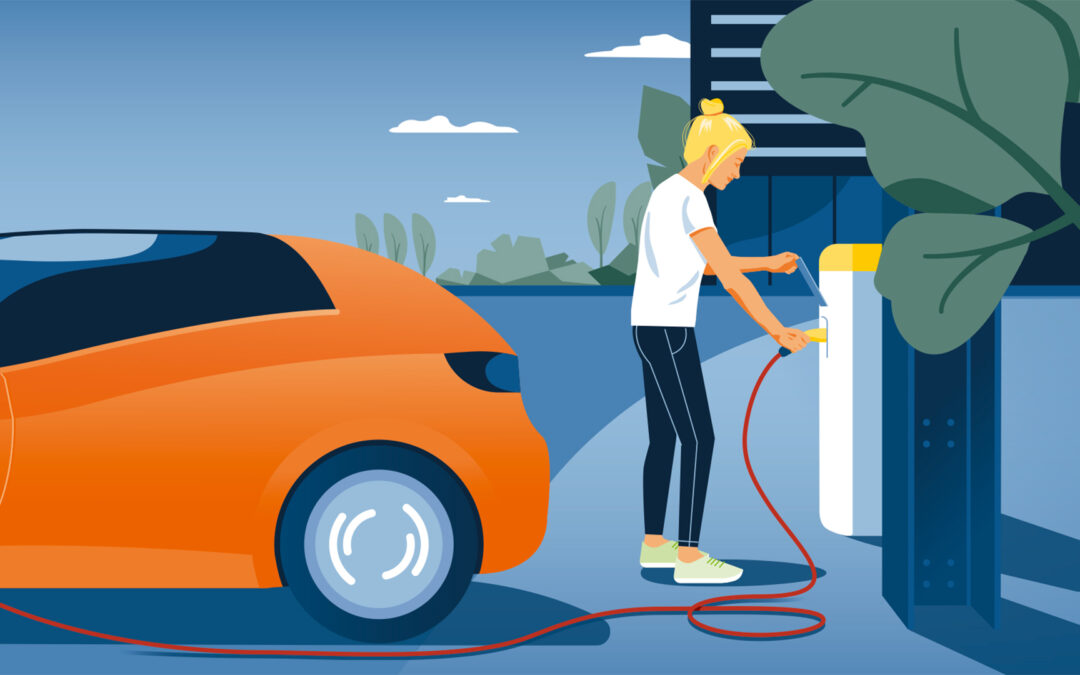
For the “Easy Charging in Germany” (“Einfach laden in Deutschland”) multimedia project, the National Centre for Charging Infrastructure is visiting charging locations that have been set up with the help of funding subsidies. For the next part, we are looking for people with a subsidised wallbox.
by Aischa | Sep 13, 2023 | News
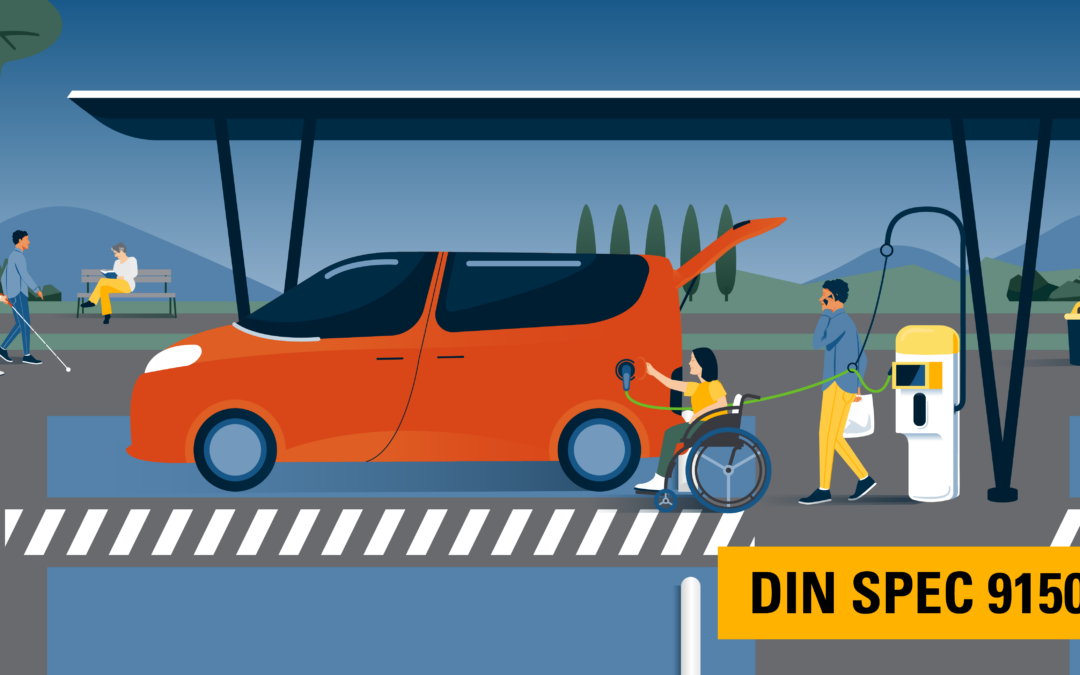
The “Easy charging without obstacles: Requirements for barrier-free charging infrastructure” (“Einfach laden ohne Hindernisse: Anforderungen an barrierefreie Ladeinfrastruktur“) guideline, commissioned by the Federal Ministry for Digital and Transport (BMDV – Bundesministerium für Digitales und Verkehr) and prepared in cooperation with the Verein Sozialhelden e.V. (association of social heroes), was published by the National Centre for Charging Infrastructure at the end of March.
by Aischa | Aug 28, 2023 | News
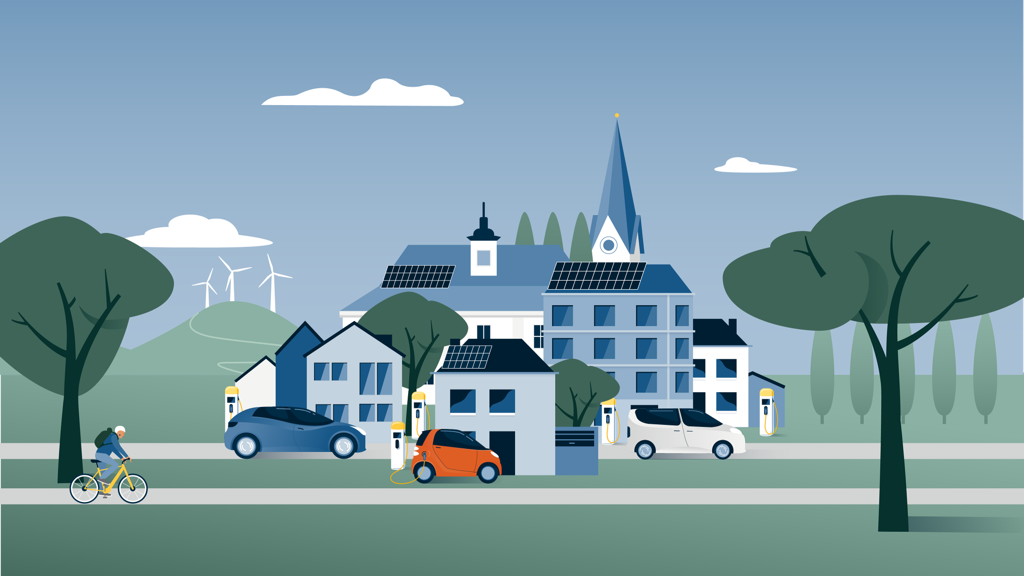
The National Centre for Charging Infrastructure is currently in the process of developing the new “Course 4” of its LadeLernTOOL e-learning platform learning about charging. We are still actively looking for suitable implementation examples from municipalities.
by Aischa | Aug 11, 2023 | News
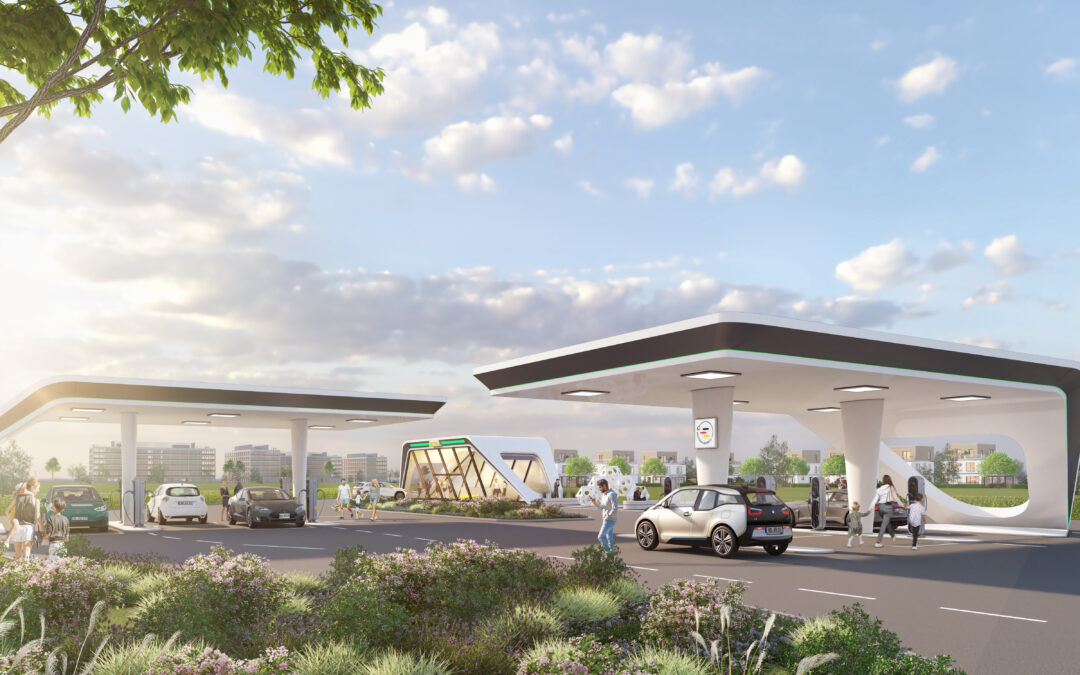
The European Commission has approved a €350 million German funding scheme under EU state aid rules to support the expansion of fast charging infrastructure along Germany’s motorways. The scheme provides for the installation of 952 HPC charging points at around 200 motorway locations.